
New Year, Nurtured Home: A Sustainable And Inclusive Refresh Without Extending
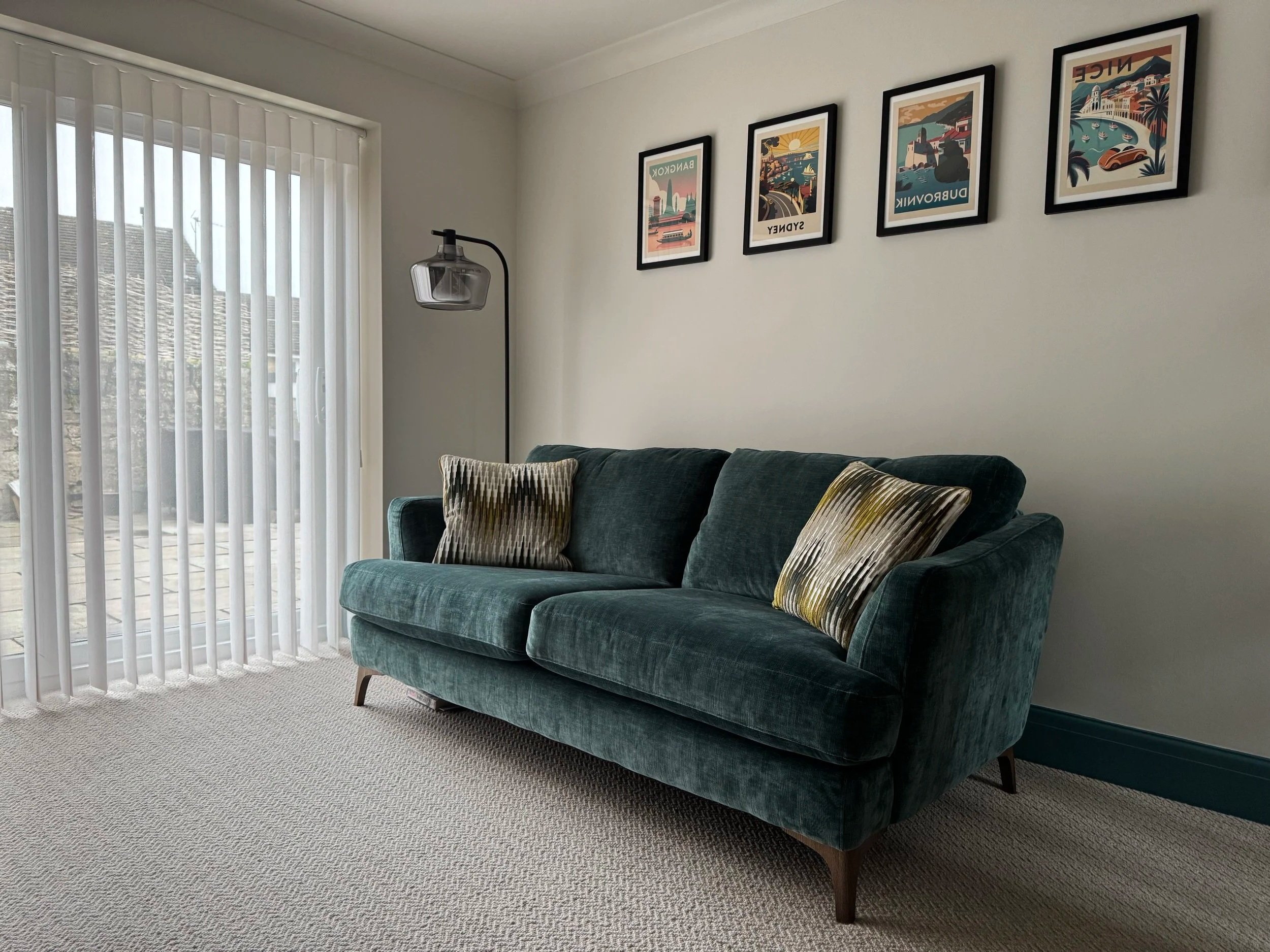
January invites a pause, a breath, and a chance to reshape the way your home supports daily life. You do not need building works to feel the difference. With small, well considered changes to layout, lighting, materials, and storage, you can create spaces that ease routines, calm the senses, and protect your budget. At Nest and Flourish Interiors, I combine two decades of clinical nursing with interior design practice to centre dignity, independence, and wellbeing in every decision. If you live in Yorkshire or Greater Manchester, a personalised, consultation led refresh can help you start the year with clarity and confidence.
Where to start for a healthier, calmer home
Begin with observation. For one week, jot down when your home feels effortless and when it creates friction. Note where you pause with clutter in your hands, where you squint at tasks, which rooms you avoid at certain times, and how everyone moves from bed to bath to breakfast to work. Pay particular attention to:
Pathways - especially at level changes and pinch points
Light - both natural and artificial, and how it shifts through the day
Noise - echoes, and visual busyness that increase fatigue
Storage - that is too high, too deep, or not clearly labelled
Then choose one or two rooms with the biggest wellbeing return. Often this is the hallway, kitchen living area, or bedroom. A focused refresh here will ripple into calmer mornings and easier evenings.
Our consultation-led Signature Space Design process
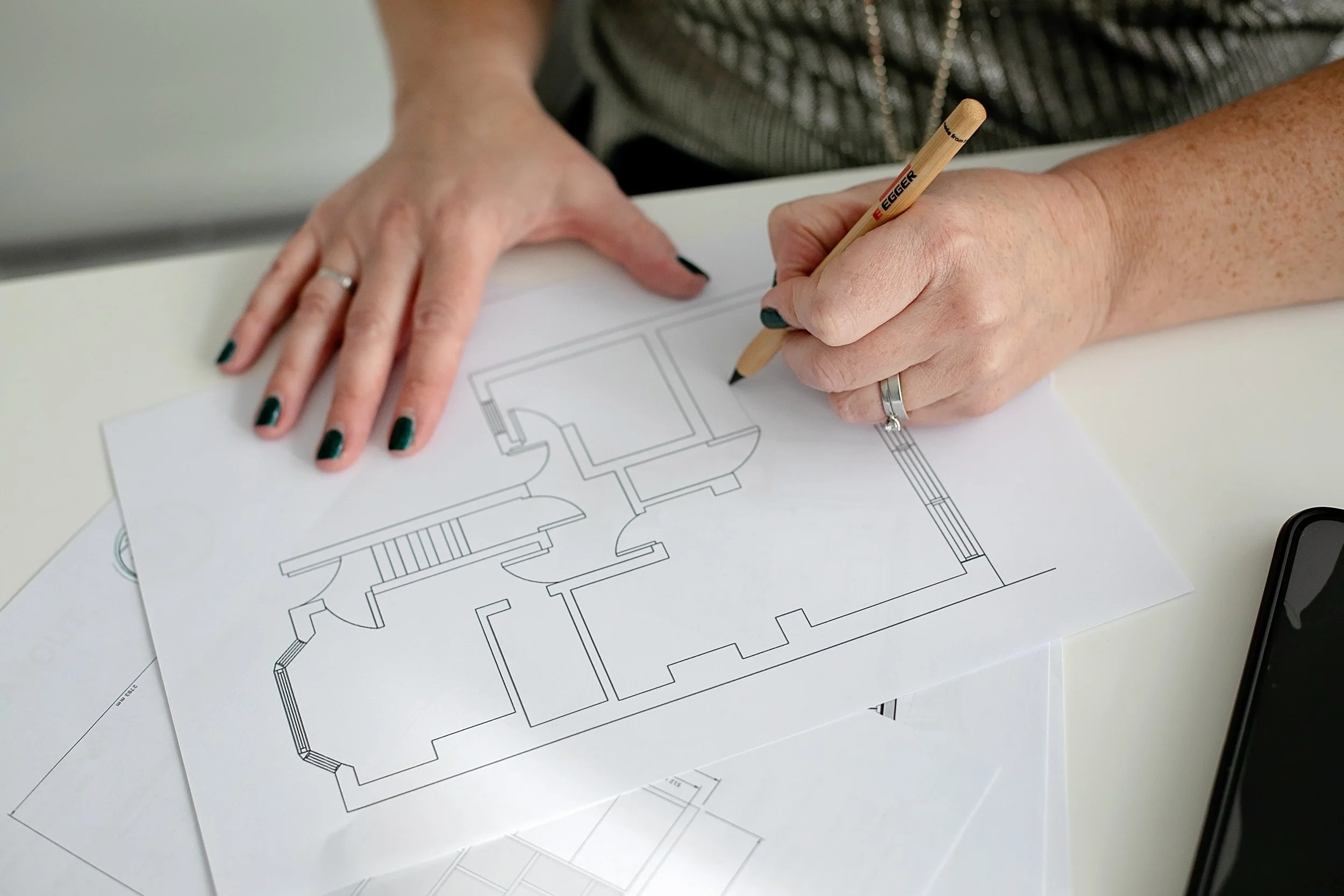
Every project starts with a consultation assessment. We sit down to understand routines, mobility, sensory preferences, and priorities. I map light and movement through your home, test sightlines, and identify where your layout helps or hinders. From there, you receive:
Practical layout plans that improve circulation and independence
A layered lighting strategy, from task to ambient and gentle transitions
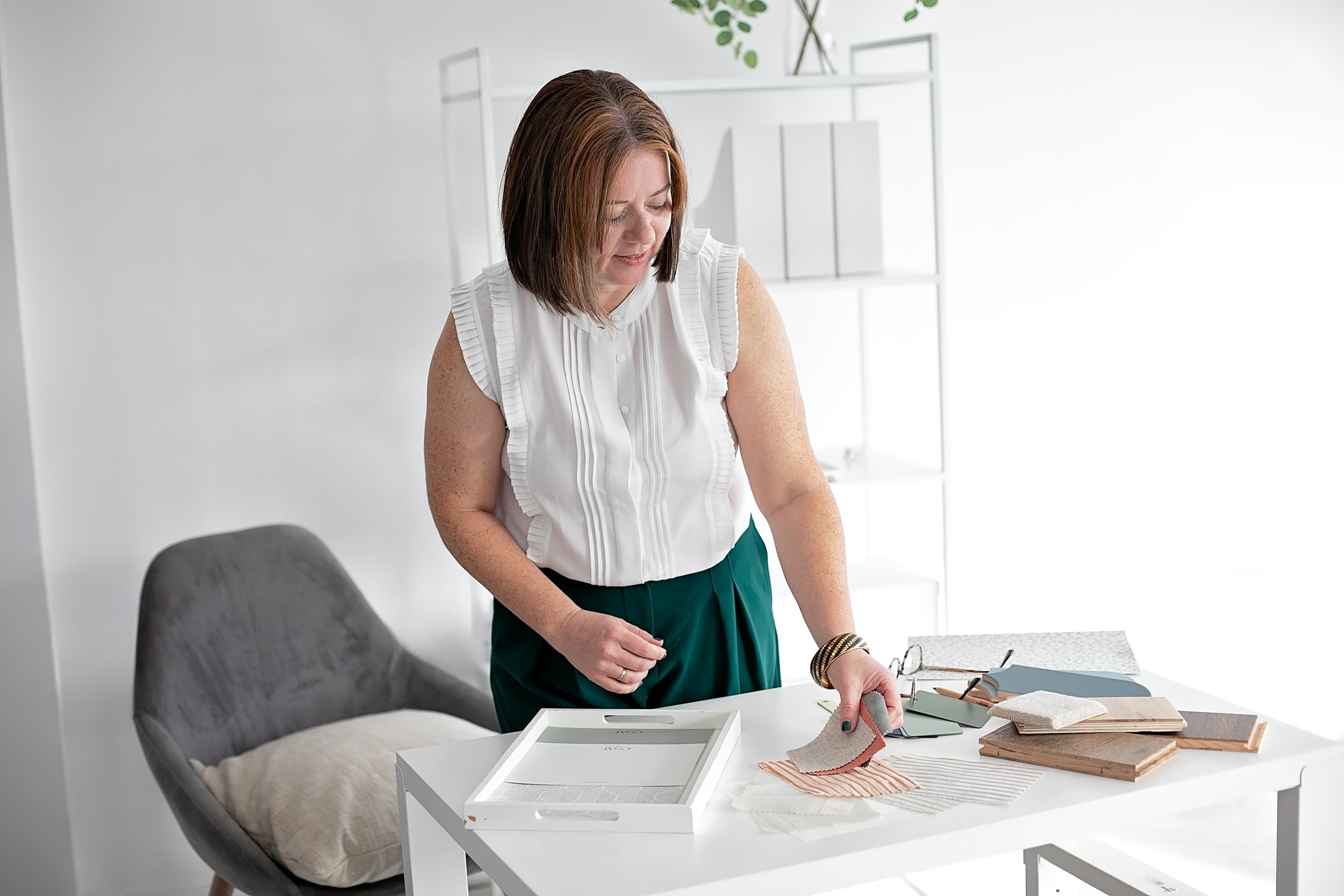
Recommendations for low impact paints, natural fibres, and durable finishes
Storage solutions that reduce visual noise and promote autonomy
Costed, step by step guidance with realistic timelines
Pricing is bespoke, however the process is designed to protect your budget by sequencing changes for the highest impact first.
Decluttering for accessibility and dignity
Decluttering is not about minimalism, it is about access and ease. Start with safety and independence:
Clear pathways to 900 mm where possible; keep routes to doors, bathrooms, and beds free
Create drop zones at entry points with wall hooks, a shallow tray for keys, and a bench for shoes
Use open or transparent storage for items that are easily forgotten when hidden
Label baskets with words or icons so everyone can find and return items
Keep surfaces calm by limiting each to a purpose, for example prep, reading, or display
If someone in your household is sensory sensitive, reduce visual clutter by grouping items by tone and texture, and using lidded boxes for visually busy categories like toys or cables. The goal is clear, predictable homes for essentials and straight forward tidying.
Layout changes that boost accessibility without renovations
Small shifts can transform flow and independence:
Pull furniture off walls to define circulation lanes and sitting zones
Align seating so you have a direct line of sight to doors and windows, which eases navigation and reduces anxiety
Place lamp tables within easy reach of preferred seats; add plug in floor lamps at corners to soften glare
In bedrooms, ensure a clear, direct route from bed to door; keep bedside lights reachable without stretching
At level changes, position a warm, low glare light source to guide steps, and use contrasting, non slip runners
If you share spaces across generations, vary seat heights and armrest styles to support getting up and down safely. Portable stools and nesting tables add flexibility without crowding.
Eco friendly materials that make the most difference on a budget
Start with what you touch and breathe:
Paint: choose low VOC or natural clay and lime based paints. They reduce odour, off gassing, and sensory irritation while providing a beautifully soft, forgiving finish
Textiles: prioritise natural fibres like cotton, linen, and wool. They are breathable, regulate temperature, and age well
Rugs and runners: invest in a durable wool rug to anchor living zones and dampen echo; add a natural rubber underlay for safety
Wood and rattan: choose FSC certified wood and sturdy rattan or cork accessories for renewable, tactile warmth
Finishes: avoid high sheen on large surfaces; mid sheen or matte reduces glare and visual fatigue
Work in layers. Refresh the most used room first, then tackle secondary spaces. Spend where durability and daily contact is highest, for example sofa upholstery, rugs, and paint, and save with pre loved side tables or reshaded lamps.
For further reading on how inclusive choices uplift everyone, explore our article on inclusive interior design.
Lighting for calm productivity
Aim for three layers in every room:
Ambient: soft, even light that fills the room. Warm LEDs on dimmers help you modulate through the day
Task: focused light for reading, cooking, steps, and desks. Place lights where movement happens, not just where fittings exist
Transition: gentle pools at thresholds, corridors, and level changes. This improves safety and reduces glare
Orient home working desks close to a window, side on to avoid screen glare. In kitchens, add under cabinet strips for prep zones and a warm pendant over the table to cue mealtimes. In bedrooms, select low level lampswith opaque shades, and use blackout or lined curtains with a breathable natural fabric to control light and improve sleep.
If sensory comfort is a priority, keep colour temperature consistent across a room, typically around 2700 to 3000K. Avoid flicker heavy bulbs and noisy transformers.
Local, inclusive support Accross Yorkshire and Greater Manchester
If you are comparing interior design companies in Yorkshire or Greater Manchester, look for a consultation led approach that respects your routines, sensory needs, and budget. My work focuses on practical, evidence informed adjustments that feel calm and nurturing. I serve clients seeking interior design services accross Yorkshire, Greater Manchester and beyond, and I tailor every plan to your home, timeline, and investment.
Final thoughts and next steps
A nurtured home is built through observation, gentle edits, and materials that support wellbeing. Start with one room, clear the routes, soften the light, and choose finishes that are kind to your body and the planet. If you would like a personalised roadmap for your home, book a Signature Space Design consultation. Together we will map your routines, refine your layout, and create a phased, budget conscious plan for a fresher, more inclusive home.
Nest and Flourish Interiors, founded by interior designer and former nurse Kim Heslip, specialises in creating beautiful, accessible, and inclusive spaces that promote dignity, independence, and wellbeing.
With 20 years of nursing experience, Kim understands the transformative power of supportive environments and designs homes and workspaces that promote long term health and wellbeing, and cater to health needs, disabilities, and different neurotypes.
Based in Yorkshire, Nest and Flourish Interiors provides tailored, one-to-one design services across Yorkshire, Greater Manchester, and beyond.
Contact Kim to discover how she can help you create a thoughtfully designed space that works for everyone who uses it.